
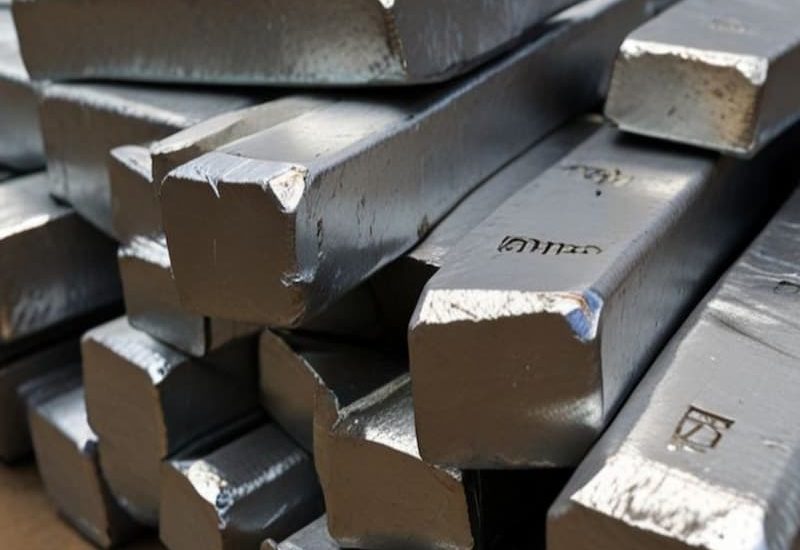
Zinc Ingot, Raw Material for Anti-Rust Coating and Metal Alloys
Zinc ingots are pure zinc bars widely used as a basic material in modern industry. This metal is popular for its high corrosion resistance and ease of processing. Due to its vital function, demand for this material continues to increase across various sectors.
What Is Zinc Ingot and Why Is It Important?
Generally, this material has a purity level of up to 99.99%. This high purity level makes it stable and safe for use in manufacturing processes.
Furthermore, its low melting point helps industries save energy during the smelting process. This combination of benefits makes this material a strategic component in the global supply chain.
According to global usage data, more than 50% of global zinc consumption is allocated to the steel galvanizing industry. This figure demonstrates the significant role zinc plays in maintaining the durability of modern structures.
This data also reinforces the fact that this material is not merely a supplement, but a crucial element in the metal protection process.
Its Role in Anti-Rust Coatings
Corrosion resistance is the primary reason zinc ingots are so popular. Zinc acts as a protective layer that prevents oxidation on steel.
This coating is often used on building frames, bridges, fences, and various outdoor structures. Zinc plating significantly extends the lifespan of steel.
In addition to galvanization, zinc also functions as a sacrificial anode. In this system, zinc “sacrifices itself” to prevent corrosion of the primary metal.
This technique is widely used on ship hulls, underwater masts, and underground pipes. The resulting electrochemical reaction helps maintain the structure’s long-term integrity.
The use of zinc in coatings is also common in electroplating processes. This method makes metal surfaces more resistant to weather and moisture.
This process allows small components such as bolts, hinges, or electronic equipment to last longer. Due to its wide range of uses, this material is a primary choice for protecting metal-based materials.
Metal Alloy Materials
Zinc ingots also play a vital role in the production of various alloys. Many industries rely on zinc alloys for their stable mechanical properties and wear resistance.
One popular zinc-based alloy is Zamak, commonly used for precision components. This alloy is known for its strength, light weight, and malleability.
Zinc is also often alloyed with copper to produce brass. This alloy has an attractive color and excellent durability, making it suitable for both decorative and engineering applications.
In manufacturing, zinc alloys are widely used for mechanism housings, handles, small gears, and various machine components.
Another advantage of pure zinc ingots is their ability to be die-cast. This process allows for the manufacture of components in large quantities with high precision.
With a low melting point, zinc processing can be faster and more efficient. It’s no wonder this material is a mainstay in the automotive, electronics, and household appliance industries.
Advantages and Prospects for Use
This material has many advantages that make it relevant today. It is easily formed, has good conductivity, and can be recycled without loss of quality.
Recycling is a major added value because it helps reduce industrial waste. The process is also energy-efficient, making it more environmentally friendly.
Furthermore, this material has a fairly widespread source distribution. The stable availability of raw materials helps maintain competitive prices.
This situation has led many industries to rely on zinc as an affordable, lightweight alternative material. Its versatility in various sectors makes zinc highly valuable.
Going forward, demand for zinc is likely to continue to increase. Massive infrastructure development and the growth of the automotive industry are key drivers.
At the same time, the development of zinc-based battery technology is opening up new opportunities. All these factors reinforce the belief that zinc ingot will remain a strategic metal material in global industrial development.
